Big Energy Savers Week: tips for residents

Saving energy can help the environment and your household bills. As part of Energy Savers Week (19–25 January), we’ll be sharing easy tips to help you save energy and money.
The week is organised by Citizens Advice and Energy Saving Trust, with the aim of helping more people to stay warm and save money with confidence this winter.
To help residents save energy and reduce their bills, we’ve worked with our Head of Property Surveying to put together some simple, practical tips you can use every day at home.
- Close internal doors, especially upstairs during the day. Keeping doors open means that one radiator will try and heat the entire area, rather than just the one it’s in. Closing doors is one of the most effective ways to reduce energy consumption.
- A fridge or freezer works best when it’s reasonably full, as food and frozen items help keep the temperature steady. If your freezer has some empty space, you could put in a plastic container or bottle filled with water. Once frozen, it helps the freezer run more efficiently and you can take it out whenever you need the extra room.
- If you have central heating, make sure you’re using it as it was designed. Central heating is better run for a slightly longer period of time at a lower boiler temperature (60-70 degrees or just over three quarters of top temperature) than short periods at a high temperature. If the boiler is set to too high a temperature, it won’t run in condensing mode (when steam comes out of the boiler vent) and won’t be efficient.
- If you have an extractor fan, using it can help remove steam and moisture without losing heat. It’s more energy efficient to run the fan than it is to open the window, and re-heat the room afterwards.
- Opening windows might sound like the best way to waste heat energy, but you may want to protect against damp gathering from condensation. If so, make sure the door is closed, and close the window after 10-15 minutes. Clear one room at a time while the rooms are not being used.
- When you’re using the hob, using a pan that’s a similar size to the hob ring helps heat go straight into the pan, rather than being lost around the edges. Putting a lid on pans can also help food cook a little faster by keeping the heat in.
- Take care to choose the appliance that suits the meal you’re making. For smaller or single meals, appliances like air fryers, microwaves or slow cookers will likely use less energy than a full oven or hob. Slow cookers can cook a meal for about the same cost as running a lightbulb.
- If some rooms in your home feel colder, especially where radiators are on outside walls, radiator reflectors may help keep more warmth in the room. They sit behind the radiator and reflect heat back into the space instead of letting it escape through the wall. They’re usually simple to fit and don’t need permanent fixing.
Radiator valves
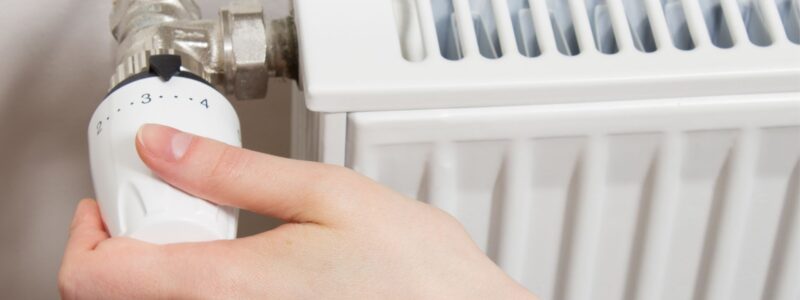
If you have traditional radiators, make sure you use the thermostatic radiator valves (TRV) on each radiator to keep some rooms, like bedrooms, cooler than others. A TRV should change the temperature of a radiator, but if it doesn’t there’s likely a problem with the internal mechanism. If that’s the case, please contact us to log a repair on 0330 343 0016. Alternatively, you can report a repair directly through your free online account, My Settle Portal.
Storage heaters
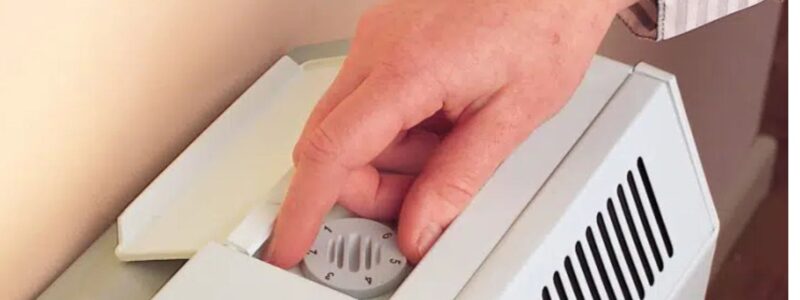
If you have storage heaters, make absolutely certain that you are on a dual rate tariff, likely either Economy 7 or Economy 10. Under regulations, these should only be available to people in homes with storage heaters, but energy suppliers must supply them if requested. If you’re struggling to get your energy supplier to give you a dual rate tariff, please contact us.
Mechanical ventilation and heat recovery system (MVHR )
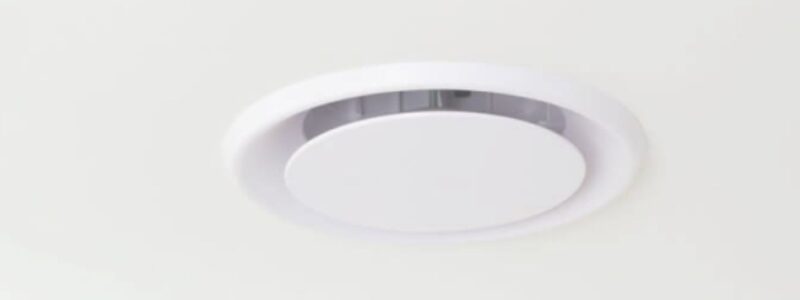
If you have an MVHR (mechanical ventilation and heat recovery) system, you should leave it running at all times. Turning it off does not actually save energy because of the way it works. An MVHR system constantly replaces stale air with fresh air while exchanging the heat with the fresh incoming air without mixing the two air streams, helping keep the house warm, dry, and well ventilated. Turning off the system will drive up heating costs notably more than keeping it running.
Air source heat pumps (ASHP)
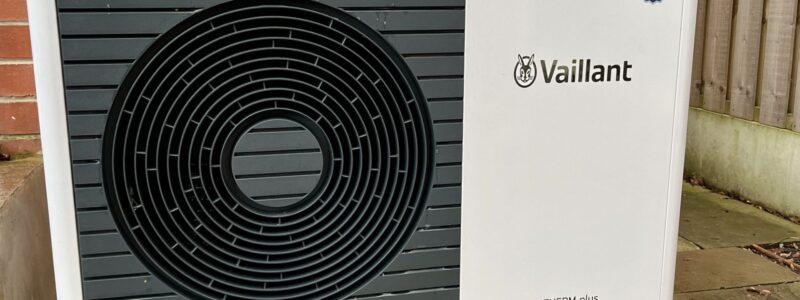
Air source heat pump (ASHP) based heating should be run constantly, using the thermostat to set a lower temperature for periods when people aren’t at home, and a higher one for when they are. They take longer to heat up a property but are extremely effective at maintaining a temperature when reached. If you go on holiday, don’t turn the ASHP off, but do put it into holiday mode or similar using the thermostat.
If you’re worried about the cost of heating your home, support may be available. Please contact us on 0330 343 0016, or visit our Cost of Living page to find information about help with rent, energy bills, budgeting and managing money.
For more tips and hints about saving energy, you can also visit the Citizen’s Advice website.